Newsroom
There are a number of ways to keep informed about COG, its members, and programs. The Newsroom feed lists news releases and highlights as well as TPB News articles. A variety of content is also available through digital subscriptions.
For story ideas, data inquiries, and to connect with officials and subject matter experts, reporters should contact the Office of Communications. For questions about TPB News, please contact the Department of Transportation Planning.
COG Video Series: Collaboration in Action
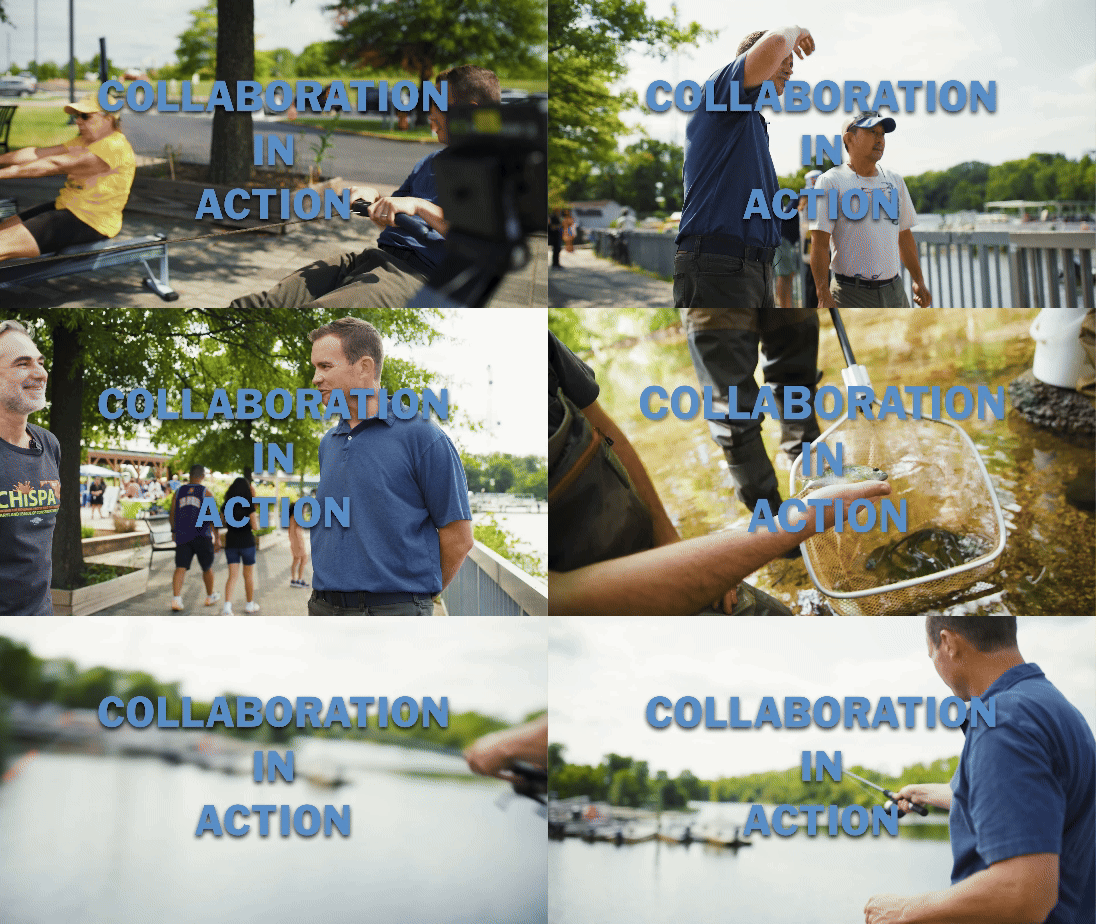
Introducing Collaboration in Action, COG's video series hosted by Executive Director Clark Mercer. The series spotlights COG's work with member jurisdictions and private, nonprofit, and civic organizations on a wide variety of programs and initiatives that improve the quality of life for everyone in our DMV region. Come along as Clark takes you behind the scenes of several of our initiatives, spreading the word about the value of regional partnership and highlighting the leaders and experts in our network that are making a positive impact in our communities.
Visit the video series page
COG Podcast
Prior to Collaboration in Action, COG produced a podcast, Think Regionally, to raise awareness about metropolitan Washington's biggest challenges and focus on solutions. The podcast, which was hosted by former Washington Post columnist Robert McCartney, featured local government, business, and non-profit leaders talking about a variety of timely topics, including the region's economy, racial equity, transportation, housing, and climate change.
Visit the podcast page
Newsroom Archives
-
Region Forward Blog
 Sustainable DC
Laine Cidlowski AICP Urban Sustainability Planner and Tanya Stern Chief of Staff DC Office of Planning
-
Region Forward Blog
Last Thursday Henry Cisneros former HUD Secretary under President Clinton spoke at an event organized by the Washington Regional Association of Grantmakers as part of its Brightest Minds series .
-
Region Forward Blog

Washington now that the sequester is officially here what does it mean for your community? Will you see the value of your home decrease in a similar way to the housing market crash in 2008? Hopefully not. But to answer this question you might first ask yourself if you live in a walkable urban place? That’s because during the last recession the Great Recession walkable urban places fared much better than others.
-
Region Forward Blog
 Transit oriented development (TOD) opportunities in the Washington area.
In 2012 the Transportation Planning Board funded a study to evaluate the risk that development pressure and rising property values might permanently “price out” lower-income households near ten transit stations in the Washington region.
-
Region Forward Blog
 Region Forward
2012 was busy for the Region Forward Coalition with several key projects being completed such as the first Region Forward Progress Report and an updated Activity Centers map outlining priority growth areas for the region.
-
Region Forward Blog
 DCgreenbuilding
Nicole Steele Alliance Commission on National Energy Efficiency Policy & Julia Allman Metropolitan Washington Council of Governments
-
Region Forward Blog
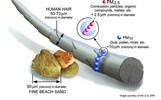 Fine particles (PM 2.5) Graphic from EPA
In 2005 the U.S. Environmental Protection Agency said our region was not meeting its fine particle (PM 2.5) pollution standards. This meant pollution levels were too high and that area leaders through COG’s Metropolitan Washington Air Quality Committee needed to devise a plan to clean the air.
-
Region Forward Blog
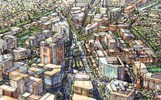
New forecasts released yesterday show metropolitan Washington’s population growing by more than 30% over the next few decades reaching nearly seven million by 2040 .
-
Region Forward Blog

Metropolitan Washington regularly finds itself at or near the top of a lot of lists. Some of these distinctions are good such as being the most educated region in the country and some of them are bad such as being one of the most expensive places to live.
-
Region Forward Blog
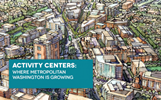
Regional leaders voted today to approve an updated set of Activity Centers for metropolitan Washington.* These 141 Centers include existing urban centers traditional towns transit hubs as well as areas expecting future growth.
Results: 414 Articles found.