Following the September 11, 2001 terrorist attacks, DC area officials built and have continually reinforced a partnership dedicated to helping the region better prepare for and respond to natural and man-made threats. This network includes first responders, emergency managers, and subject matter experts in health, transportation, water, public information, and other disciplines.
Twenty-five years later, this regional partnership is as engaged as ever. It has been central to post-9/11 emergency responses and major events, including – most recently - the midair collision near DCA and the America 250 celebrations.
Throughout this time, COG has helped connect these officials, ensuring they have the resources, programs, plans, and agreements in place to help keep the region safe. As risks have changed, the regional committees and processes supporting this work have evolved to meet them.
Several priorities have remained constant since 9/11. Foremost among them is a commitment to improving regional coordination. Area officials prioritize agreements to share public safety personnel and equipment across borders. They also focus on enhanced communications tools and regular exercises. This summary highlights a few of the ways area officials partner on homeland security.
Ensuring regional coordination and a seamless emergency response
COG’s Department of Homeland Security and Public Safety provides support to numerous working groups and committees of subject matter experts, as well as the NCR Homeland Security Executive Committee (HSEC). This senior-level policymaking group gets local, state, and federal decision-makers on the same page about the unmet security needs and risks facing the region. It helps set direction, collects information on threats, assesses gaps, and determines how to focus resources. COG also supports the Emergency Preparedness Council of elected officials, subject matter experts, and community partners, serving as a forum for information sharing, advocacy, and policy guidance.
Preparing the region for emergencies requires a high level of partnership among public safety and emergency management agencies. This includes strategic planning and establishing various protocols. Thanks to these behind-the-scenes efforts, area officials have developed a coordinated approach to information sharing and a unified process for emergency response.
This foundation of regional coordination proved critical during the January 29, 2025 mid-air collision near Reagan National Airport. The National Capital Region Mutual Aid Agreement (MAA), established by COG in 2005, facilitated a unified response across jurisdictional lines. Hundreds of first responders from more than 95 agencies utilized the agreement to share resources and support recovery operations. By laying this groundwork during times of calm, area governments ensured they were fully aligned to respond swiftly and effectively to the crisis.
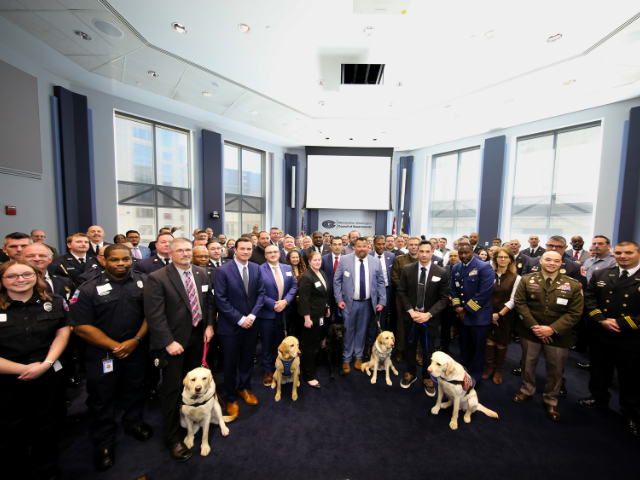 First responders from across the region were honored at COG for their bravery during response and recovery efforts related to the January 29, 2025 midair collision.
Enhancing communication before and during emergencies
In addition to establishing new protocols post-9/11, area officials focused heavily on acquiring the right tools to improve preparedness. The region leveraged federal Urban Area Security Initiative (UASI) funds to invest in public safety radios, first responder gear, trainings, and software for emergency managers and health officials.
Enhancing the communications network is a key priority. For example, the region stood up real-time messaging systems to provide information to both officials and the public during events. The Regional Incident Communication and Coordination System (RICCS), a 24/7 system owned and maintained by COG, lets about 3,000 government officials and public safety personnel communicate during emergencies. Several counties and cities in the area also offer text alert systems. Additionally, first responders can now communicate across jurisdictional lines using shared radio frequencies, and the public can make emergency calls throughout the Metrorail’s underground system.
Since 9/11, area officials also addressed the need for professional staff dedicated to regional traffic and emergency information. The Metropolitan Area Transportation Operations Coordination (MATOC) program provides situational awareness of transportation operations for agencies and the public. The NCR Watch Desk, based in the District of Columbia Homeland Security and Emergency Management Agency, shares emergency information to a user group of regional officials.
This year, to prepare for large-scale events, COG convened frequent briefings ahead of the America250 celebrations to ensure robust situational awareness. This proactive communication ensured public safety networks were ready for high-profile activities, including an expanded fireworks show and major sporting events like the America250 Grand Prix and MMA Freedom250.
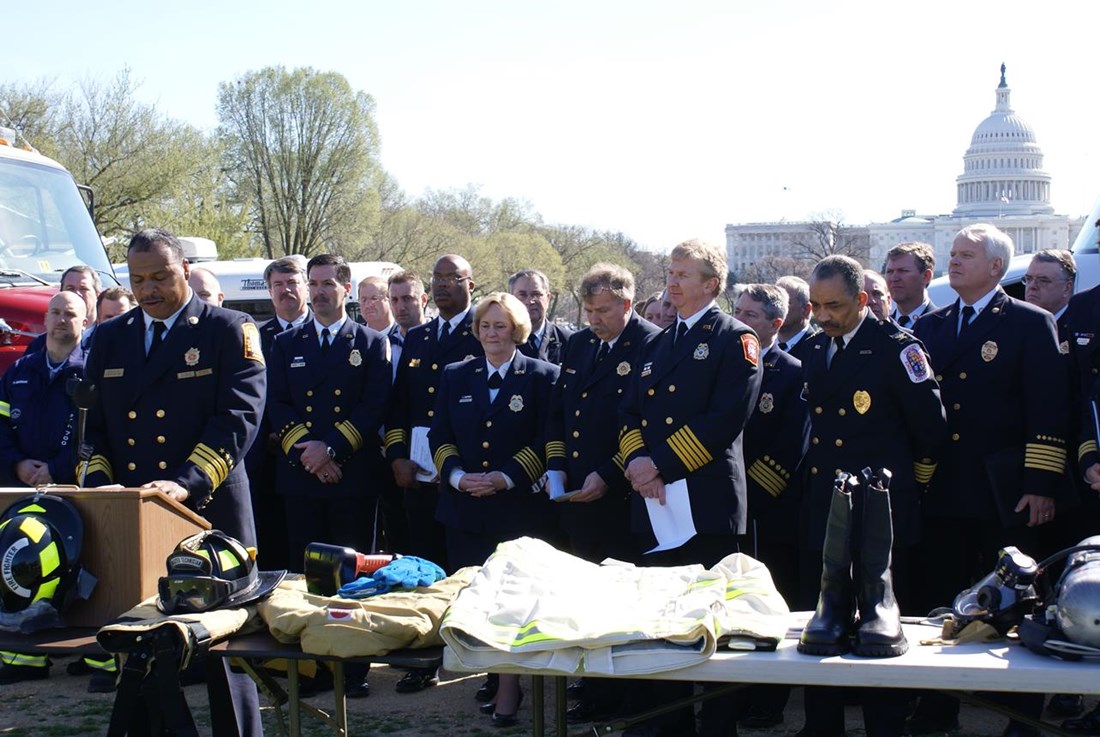
COG Fire Chiefs 2007 press conference on homeland security coordination efforts.
Focusing on future risks
Area officials are also maximizing the regional approach established post-9/11 to prepare for risks from cyberthreats to severe weather. They share information and best practices with their peers in COG committees and participate in regional training programs and tabletop exercises.
Additionally, COG recently secured federal funding for new drone detection and tracking technologies, ensuring public safety officials can protect the public and critical infrastructure from the unlawful use of unmanned aircraft.
While officials do their best to prepare for emerging threats, everyone has a role to play. The familiar refrains of “See Something, Say Something” and “Be Ready, Make a Plan” remain highly relevant today. During National Preparedness Month this September, the message is clear: “Americans Stand Ready,” which focuses on personal resourcefulness, civic responsibility, and community resilience.
MORE:
For additional information, please reference the history book: A Half Century of Regional Partnership: COG Celebrates 50 Years